
Shopping & Markets in Dzaleka
Dzaleka hosts a dynamic, self-organized market economy. Support local refugee entrepreneurs and discover unique goods and services.
Shopping in Dzaleka is a direct way to support the local economy. The market includes both refugees and local Malawian traders selling a variety of goods. It's a vibrant system that caters to the daily needs of over 50,000 residents.
Market Days & Locations
The camp's economy revolves around these key trading times and sectors.
Daily Market
Open every day for daily essentials like fresh produce, household items, and basic supplies.
Tuesday Market
The main, larger market day. Visitors and locals flock here to find provisions at potentially lower costs.
Food & Drink
Fresh vegetables, meats, grains, and cooked foods. Try 'King's Chapati', a local favorite!
Services
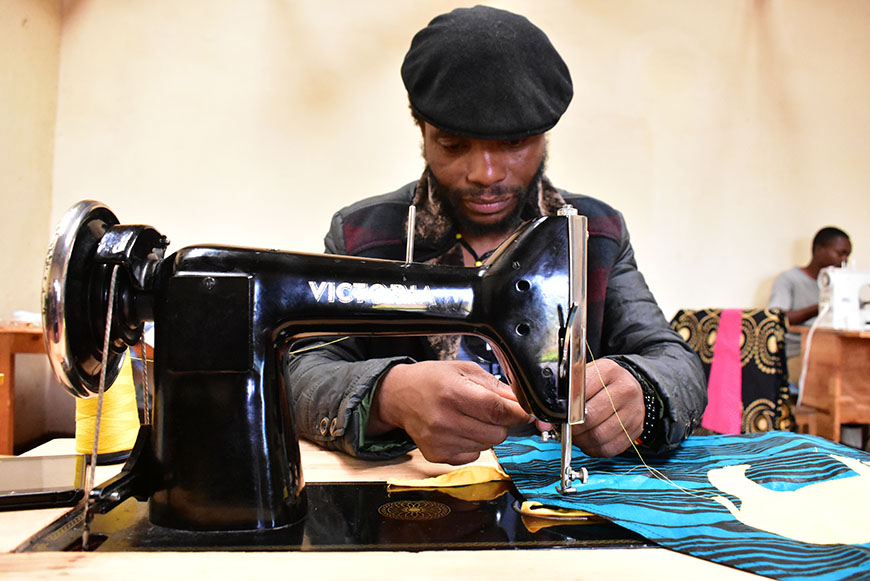
Tailoring, hairdressing, phone charging, and computer repair services are widely available.
What You Can Buy
The stalls await with a diverse range of products. Beyond physical goods, Dzaleka is a hub for skilled services.
Shop Dzaleka Online
Browse products and services from refugee entrepreneurs online. Discover the vibrant digital marketplace of Dzaleka.
Supporting Livelihoods
Shopping in Dzaleka empowers residents. The Tumaini Festival alone generates significant funds for the local economy.
Vocational Training
Organizations like There Is Hope Malawi run programs where trainees learn to make clothes and generate income.
Modern Services
From computer repair to digital services, the camp's economy is diversifying and modernizing.
Tips for Shopping
- 1Cash is KingWhile there are ATMs in the camp, we strongly recommend bringing enough Malawian Kwacha (MWK) cash for your purchases as standard availability can vary.
- 2Haggling is WelcomeHaggling is a common practice and part of the vibrant market experience.
- 3Ask PermissionAlways ask before taking photos of stalls or people in the market.
Economic Dynamics & Resilience
Dzaleka’s market is a testament to agility. Refugee entrepreneurs navigate complex challenges to build livelihoods that support their families and the wider community.
Insights adapted from "Refugee entrepreneurship within and beyond refugee camps" (Msowoya & Luiz, 2025).
Navigating Systemic Barriers
Doing business outside the camp boundaries presents significant risks, including property confiscation or detention. Despite these hurdles, entrepreneurs find innovative ways to operate, turning constraints into drivers for creative logistical solutions.
From Scarcity to Strategy
Many businesses begin with minimal resources—sometimes initiated by trading a portion of monthly food rations for startup capital. This survivalist improvisation evolves into strategic intent, with entrepreneurs growing to source commodities from Lilongwe and neighboring countries.
The Power of Networks
Social capital is as valuable as financial capital. Entrepreneurs leverage connections with diaspora relatives for funding and form critical partnerships with local Malawians. These "boundary-spanning" ties enable market access that would otherwise be legally out of reach.
Strategic Diversification
Successful entrepreneurs rarely rely on a single income stream. Most diversify their portfolio, perhaps running a hardware shop in Dzaleka, a restaurant in town, and a wholesale business simultaneously, buffering against shocks and regulatory uncertainty.
Experience the Market Energy
There is no better way to understand Dzaleka's economy than to walk its streets. Join a guided tour to meet the entrepreneurs, taste local foods, and support these businesses directly.