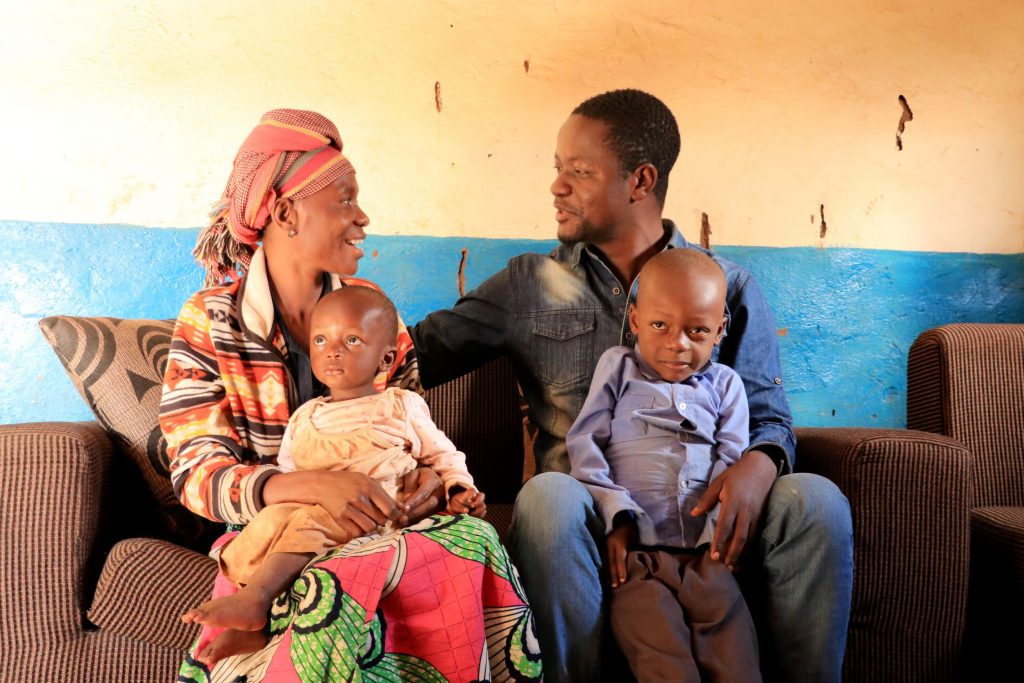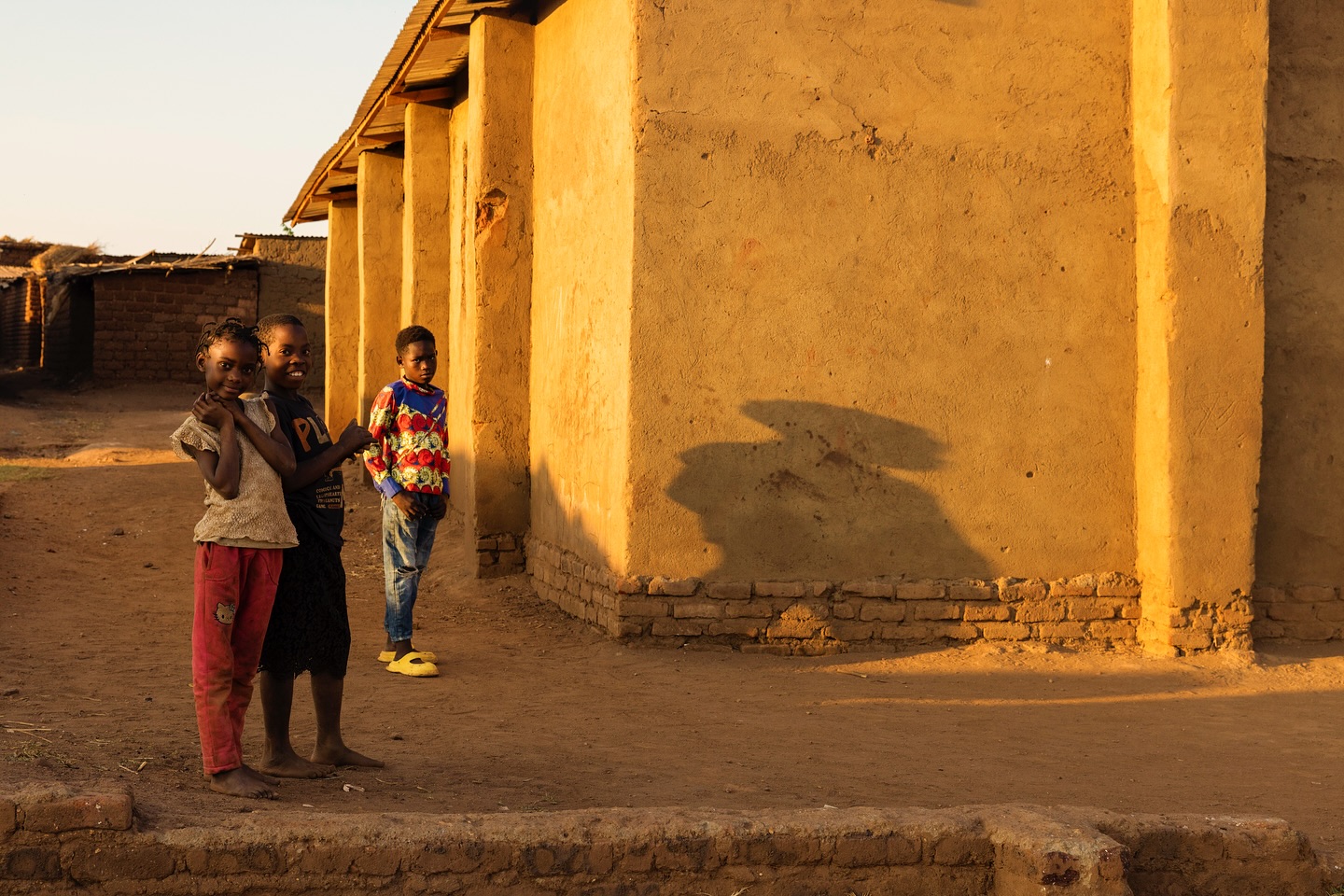
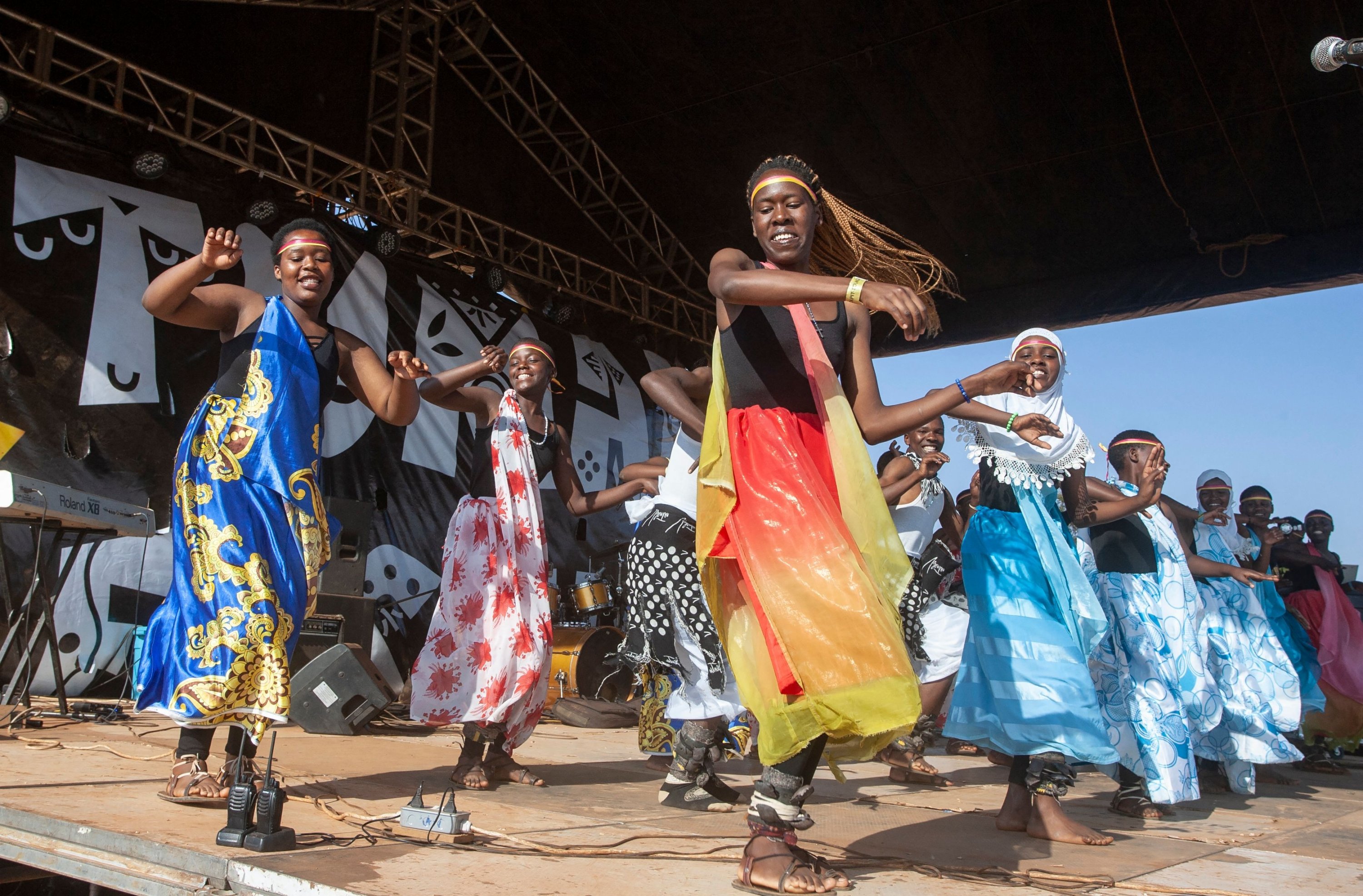
There is a recording studio inside Dzaleka Refugee Camp. Dance groups from the camp perform across Malawi. Young Rwandans are reviving traditions they grew up far from. Poets, musicians, photographers, and painters continue to create despite the restrictions of camp life.
Dzaleka has become one of the most active creative communities in the region. In a place where refugees face limits on movement, employment, and education, art has become more than expression. It is culture, identity, survival, and opportunity.
Music, dance, spoken word, photography, theatre, and visual art are woven into daily life across the camp.
This is a guide to the artists, performers, and cultural spaces shaping Dzaleka’s creative scene.
Menes la Plume
Any conversation about creativity in Dzaleka begins with Menes la Plume, born Trésor Nzengu Mpauni in Lubumbashi, Democratic Republic of Congo.
Before arriving in Malawi, he was already performing as a hip-hop artist and slam poet in the DRC. After fleeing to Malawi in 2008, he settled in Dzaleka Refugee Camp, where he later founded Tumaini Letu in 2012.
The organisation focused on cultural exchange between refugees and Malawians through music, poetry, dance, and storytelling.
In 2014, Menes launched Tumaini Festival, which has grown into Malawi’s largest multicultural festival and the only major arts festival held inside a refugee camp.
His debut album, Far from Home, documented themes of displacement, identity, and survival. Over the years he has performed at events including the Lake of Stars Festival and international festivals in Europe and Africa.
His story reflects much of Dzaleka’s creative spirit: artists rebuilding careers and communities through culture.
Dance and cultural preservation
Dance groups inside Dzaleka are not only performers — many see their work as a way to preserve culture and identity across generations.
Salama Africa Dance Crew
Salama Africa Dance Crew is one of the camp’s best-known performance groups. They have performed at festivals and events across Malawi and are regular highlights at Tumaini Festival.
The group combines performance with mentorship and training for younger artists, helping dancers develop professional skills while promoting refugee talent nationally.
Indengabaganizi
Founded by young Rwandans in the camp, Indengabaganizi focuses on traditional Rwandan dance and cultural performance.
For many members, the group became a way to reconnect with traditions they had grown up separated from because of displacement. Performances often include traditional drumming, movement, and storytelling tied to Rwandan cultural heritage.
ForUs Dance Group
Also known as ForUs Crew, the group gained wider recognition after winning Malawi’s Ka Jive dance competition.
Their success helped bring national attention to the level of talent emerging from Dzaleka’s creative community.
Music from inside the camp
Music in Dzaleka blends influences from across the African Great Lakes region and beyond. Congolese rumba, gospel, Afrobeats, hip-hop, traditional drumming, and acoustic storytelling all exist side by side.
Artists collaborate across languages and cultures, creating sounds shaped by life inside the camp.
David Bin Wakandwa
David Bin Wakandwa runs a music production studio inside the camp together with fellow musician Fadhili Aoci. The studio has become a space for recording, collaboration, and mentoring young artists.
Amahoro Drummers
Known for energetic performances rooted in Great Lakes drumming traditions, the Amahoro Drummers have performed alongside major Malawian artists and at national festivals.
Israel Kab
Israel Kab has collaborated with Namadingo, reflecting the growing connection between artists from Dzaleka and Malawi’s broader music industry.
Visual art and photography
Dzaleka’s visual artists document both everyday life and personal experiences through painting, photography, and mixed media.
Sergio Kasongo
Sergio Kasongo is known for his paintings and mixed-media work, which have been featured in exhibitions and cultural events connected to the camp.
Ruben Kabs
Photographer Ruben Kabs documents daily life inside Dzaleka through documentary photography that focuses on people, creativity, and community rather than crisis narratives.
Dzaleka Art Project
The Dzaleka Art Project supports refugee artists across disciplines including visual art, dance, music, and theatre.
Visitors can often see artwork during guided tours and purchase pieces directly from artists, providing direct financial support to creators inside the camp.
Poetry and spoken word
Spoken word remains one of the strongest forms of artistic expression in Dzaleka.
Poetry workshops, performances, and youth collectives have helped create a strong spoken word scene, particularly among younger refugees.
At Tumaini Festival, poetry performances are often among the most powerful moments of the event, blending storytelling, politics, humour, memory, and personal experience.
Miss Culture Dzaleka
Miss Culture Dzaleka is one of the camp’s best-known annual cultural events.
Rather than focusing only on beauty pageant traditions, the event centres cultural identity and heritage. Participants represent different communities inside the camp through traditional clothing, dance, music, and storytelling.
The event reflects the diversity of Dzaleka itself, where people from multiple countries and cultures live side by side.
Makasi Art Festival
Alongside Tumaini Festival, Makasi Art Festival has become another important platform for artists inside the camp.
The festival brings together music, poetry, dance, painting, theatre, and sculpture while encouraging collaboration between refugees and surrounding host communities.
Visiting Dzaleka’s creative spaces
The best way to experience Dzaleka’s creative scene is through respectful engagement with the artists and communities themselves.
Guided visits
Tours can introduce visitors to rehearsal spaces, workshops, studios, and artists open to sharing their work.
Bookings can be arranged through Visit Dzaleka.
During Tumaini Festival
Tumaini Festival remains the biggest opportunity to experience the camp’s music, dance, poetry, and art in one place.
Held annually around October and November, the festival attracts performers and visitors from across Malawi and beyond.
Support artists directly
Buying artwork, photography, crafts, or music directly from creators provides immediate income to artists inside the camp.
Ask before photographing
Always ask permission before taking photographs, especially during performances, rehearsals, or inside homes and studios.