Is Dzaleka Safe for Visitors?
General Safety: Is Dzaleka Safe? Yes, Dzaleka is generally a welcoming and safe community to visit, provided you go with the right mindset and preparation. Just like the rest of Malawi, the "Warm Heart of Africa," the residents of Dzaleka—hailing from the DRC, Rwanda, Burundi, Somalia, and Ethiopia—are famously hospitable.
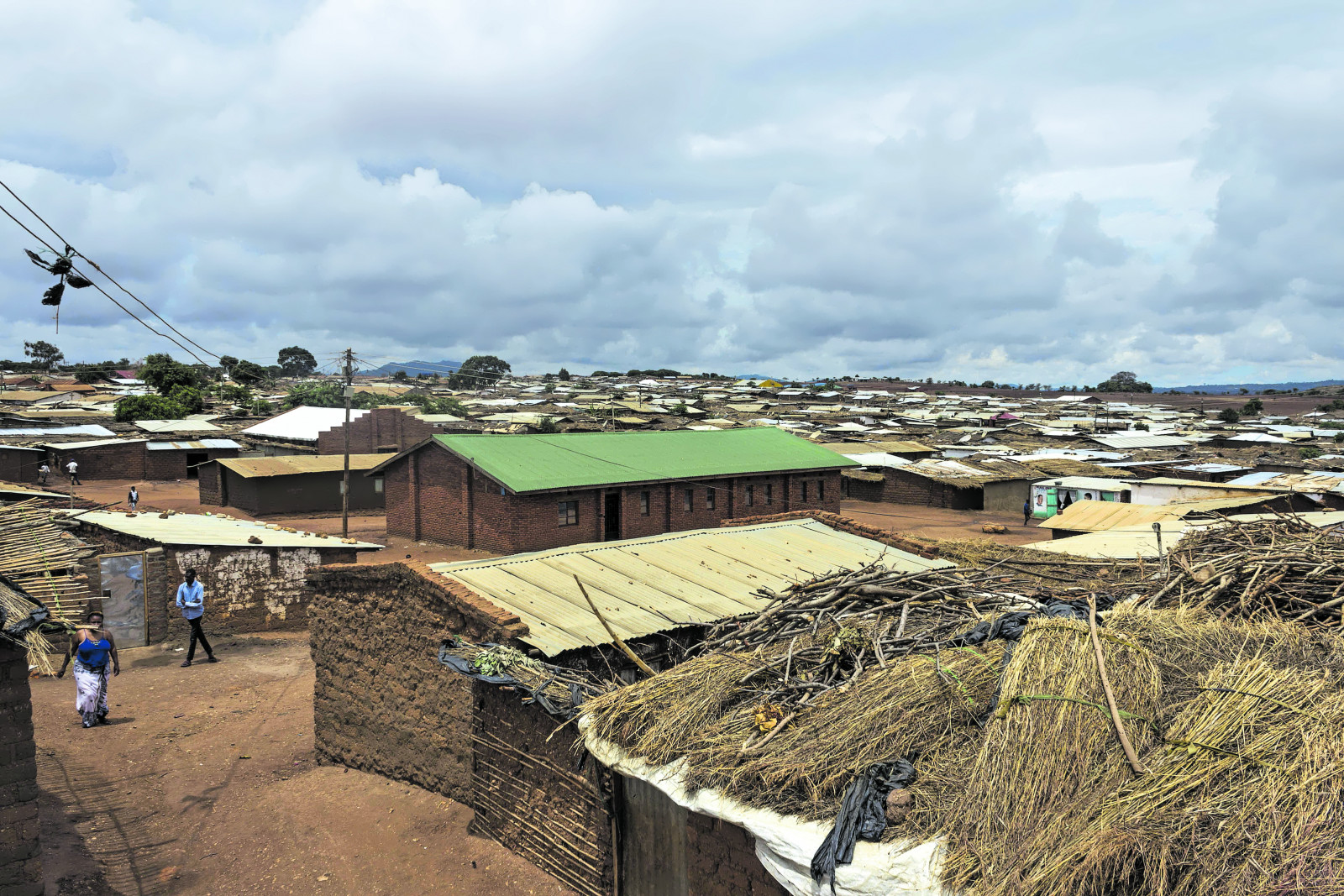
However, it is a high-density settlement facing economic challenges. While violent crime against visitors is extremely rare, petty theft can occur. The camp is a living community, not a standard tourist attraction, so safety is best ensured by visiting with a trusted local guide or through an established community organization.
Avoid walking alone at night within the camp or on the outskirts, and always coordinate your arrival and departure with your host or our local guide.
Where is Dzaleka?
Located in the Dowa District of central Malawi, Dzaleka is approximately 40–50km from Lilongwe (about a 45-minute to 1-hour drive). It is the only permanent refugee camp in Malawi, home to over 50,000 people.
Access & Permissions
Do I need a permit?
Unlike typical tourist destinations, Dzaleka is a protected environment.
-
Booking a Guide: The safest and most ethical way to visit is to book directly through here.
-
Using this platform ensures you are matched with verified local guides.
-
It guarantees that your visit is expected and that your fees go directly to supporting the refugee community and the guides themselves.
-
Identification: Always carry your passport or valid ID.
Travel Recommendations
Solo Travel vs. Guided Tours While solo travel is technically possible, we strongly advise against wandering the camp alone without prior arrangement.
- Why use a Guide? A guide booked via visit.dzaleka.com does more than just ensure safety; they bridge the language gap (many residents speak Swahili, French, or Kinyarwanda) and provide cultural context that you would miss on your own.
Transport & Road Safety
Getting to Dzaleka from Lilongwe
- Private Transfers: The safest and most convenient way to visit is by hiring a private taxi or arranging a transfer through your tour operator. The road from Lilongwe (M1) is paved and generally good, but the final stretch into the camp can be dusty and uneven.
- Public Transport (Minibuses): You can take a minibus from Lilongwe (Old Town or near the mosque) heading towards Dowa/Kasungu and ask to be dropped at the Dzaleka turn-off or Lumbadzi, though this can be crowded and confusing for first-time visitors.
- Self-Driving: If driving, park in designated areas recommended by your host (usually near the UNHCR office or the police station) to ensure vehicle security.
Cultural Etiquette & Community Respect
Visiting a refugee camp requires a higher level of sensitivity than a standard holiday.
- Photography: Strictly ask for permission before taking photos of anyone. Many residents fled persecution and their anonymity is a matter of safety.
- Dress Code: Dress modestly. The camp is home to diverse cultures and religions. Knees and shoulders should generally be covered to show respect to community norms.
- Interaction: Engage with residents as equals. If you are buying crafts or food, pay a fair price. Avoid handing out money or sweets to children randomly, as this encourages begging and disrupts school attendance; instead, support established community centers.
Health & Wellness
- Water & Food: It is advisable to bring your own water. While there are local restaurants (offering incredible Congolese and Burundian cuisine), ensure food is freshly cooked and hot.
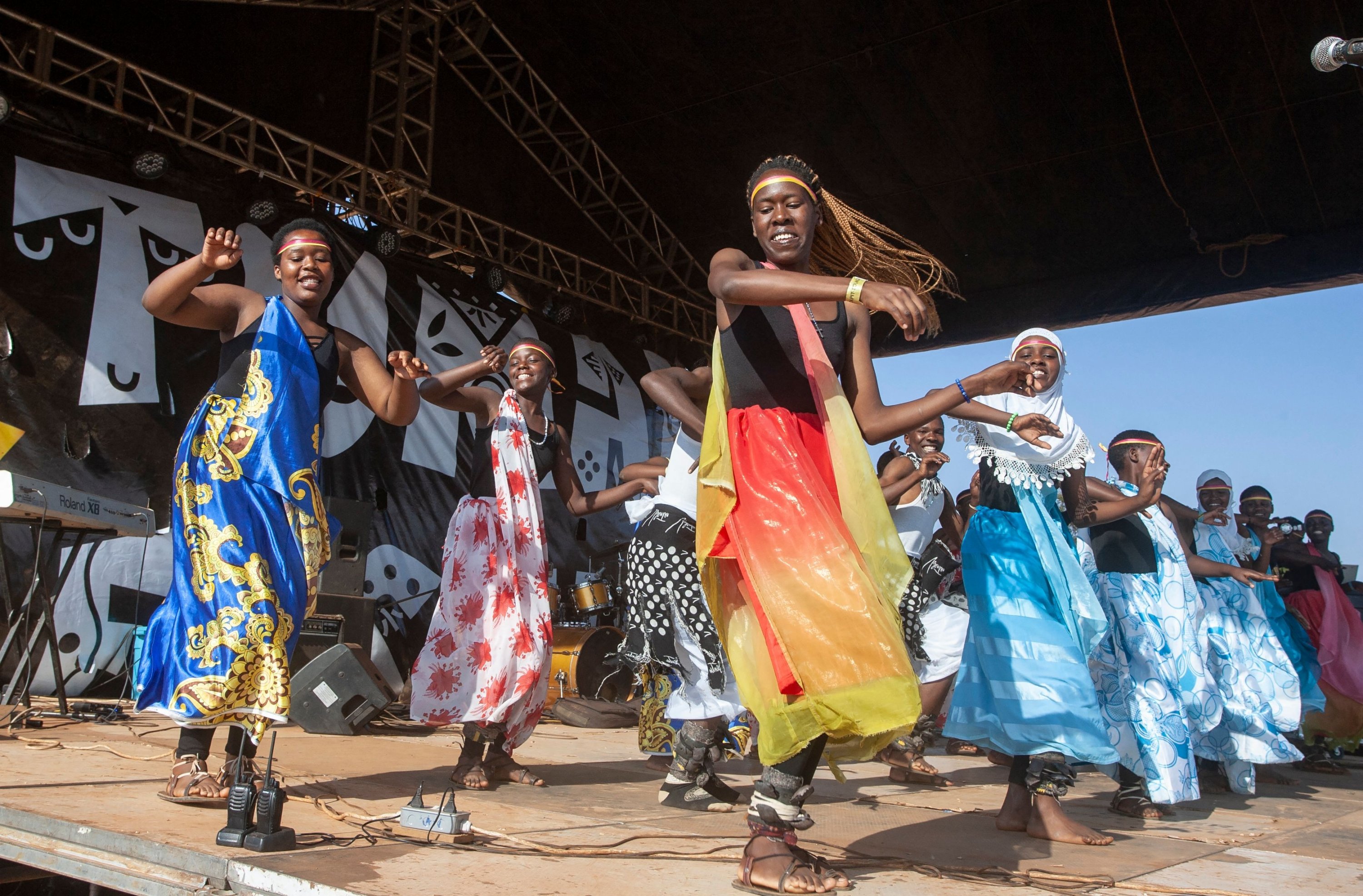
- Malaria: Dzaleka is in a malaria zone. Wear insect repellent and long sleeves, especially if you are staying for the Tumaini Festival into the evening.
- Dust: The camp can be very dusty, especially in the dry season. A scarf or mask can be useful.
Visiting for the Tumaini Festival
If you are visiting for the Tumaini Festival (usually held in November):
- Crowds: The camp swells with visitors. Keep your valuables close (money belts are recommended).
- Parking: Use the official festival parking areas which are guarded.
- Timing: Plan to leave before it gets fully dark unless you have pre-arranged secure accommodation within the designated festival camping areas.
Travel Recommendations
Solo Travel vs. Guided Tours While solo travel is possible, we strongly advise visiting Dzaleka with a guide or partner organization. This isn't just for safety; a guide bridges the language gap (many residents speak Swahili, French, or Kinyarwanda) and provides context that you would miss on your own.
Emergency Contacts & Medical Safety
While Dzaleka and Malawi are generally safe, being prepared is essential. Emergency response times can vary, and having the right numbers saved before you arrive is critical.
Public Emergency Services (Toll-Free)
-
Police: 997 or 990
-
Alternative Toll-Free: 0800 990 997
-
Note: Inside Dzaleka, the Dzaleka Police Post is your first point of contact. It is located near the camp entrance.
-
Ambulance (General): 998
-
National Medical Emergency System: 118
-
Best for: Road accidents or medical emergencies while traveling to/from the camp. This number is particularly effective along the M1 Highway (the main route connecting Lilongwe to the Dzaleka turn-off). It works on most mobile carriers.
-
Fire: 999
-
Note: In Malawi, the fire department is also often dispatched for immediate medical emergencies involving entrapment or rescue.
Private & Specialist Services (Recommended for Visitors)
If you have travel insurance, private medical services generally offer faster response times and better equipment. Note: These services are primarily based in Lilongwe (approx. 45-60 mins from Dzaleka), so immediate onsite response will likely be local transport to meet the ambulance.
-
St John Ambulance (Lilongwe/Blantyre):
-
+265 111 840 170
-
+265 111 979 605
-
MASM (Medical Aid Society of Malawi) – Lilongwe:
-
Emergency (Cell): 0888 189 070 / 0888 189 072
-
General: +265 1 831 744
-
Tip: MASM clinics are standard for expatriates and visitors. The closest major private hospitals are in Lilongwe (e.g., ABC Clinic or Partners in Hope).
Essential Tips for Using These Numbers
- Dialing Protocol:
- 118 is the dedicated Ministry of Health line; use this first for serious medical issues on the road.
- For private numbers (MASM/St John), you may need to add the country code (+265) if dialing from an international roaming SIM, though local SIMs (Airtel/TNM) work best.
- Location is Key:
- When calling, be specific. Instead of just saying "Dzaleka," specify landmarks like "Dzaleka Camp, Dowa District, near the UNHCR Office" or "Dzaleka Market Entrance."
- The "Golden Hour":
- Because Dzaleka is ~45km from Lilongwe, in a critical life-threatening situation, it is often faster to use a private vehicle to drive toward Lilongwe while coordinating to meet the ambulance halfway (e.g., at the Lumbadzi junction or Kanengo).
- Camp-Specific Contacts:
- Always save the number of your Host Organization (e.g., JRS, There is Hope) and the Camp Manager/Police Post immediately upon arrival. They can often clear the way for external emergency vehicles to enter the camp quickly.