
Most people visit Malawi for Lake Malawi or the mountains. If you're interested in seeing everyday human resilience and community life, consider spending a day in Dzaleka Refugee Camp.
Dzaleka is a refugee camp located about one hour from Lilongwe. It is home to around 50,000 people, mainly from the Democratic Republic of Congo, Burundi, and Rwanda. Over time it has developed into a lively settlement with its own markets, small businesses, schools, and cultural life.
Here’s a realistic way to spend 24 hours in Dzaleka.
Morning
09:00 – Arrival
- Meet your local guide at the main entrance. Book a tour guide here.
- It is strongly recommended to arrange your visit in advance through the official Dzaleka visit coordination system.
- Your guide will show you different sections of the camp where various communities live side by side.
10:30 – Technology & learning spaces
- Visit one of the community tech initiatives such as ADAI Circle or TakenoLAB.
- You can see young people working on computers, learning programming, and exploring digital skills — activities that many wouldn’t expect to find in a refugee setting.
Lunch
12:30 – Eating in the market
- The camp has several small food stalls and eateries run by residents.
- Popular options include fresh chapati, grilled meat, goat stomach (mthumbwana), cassava leaves (pondu), and other dishes from Congolese, - Burundian, and Rwandan cooking traditions.
- Purchasing food here directly supports the people who prepare and sell it.
Afternoon
14:30 – Art & expression
- Spend time at the Dzaleka Art Project and Salama Africa Organization space.
- Many walls feature large murals created by residents that tell stories of their journeys and hopes.
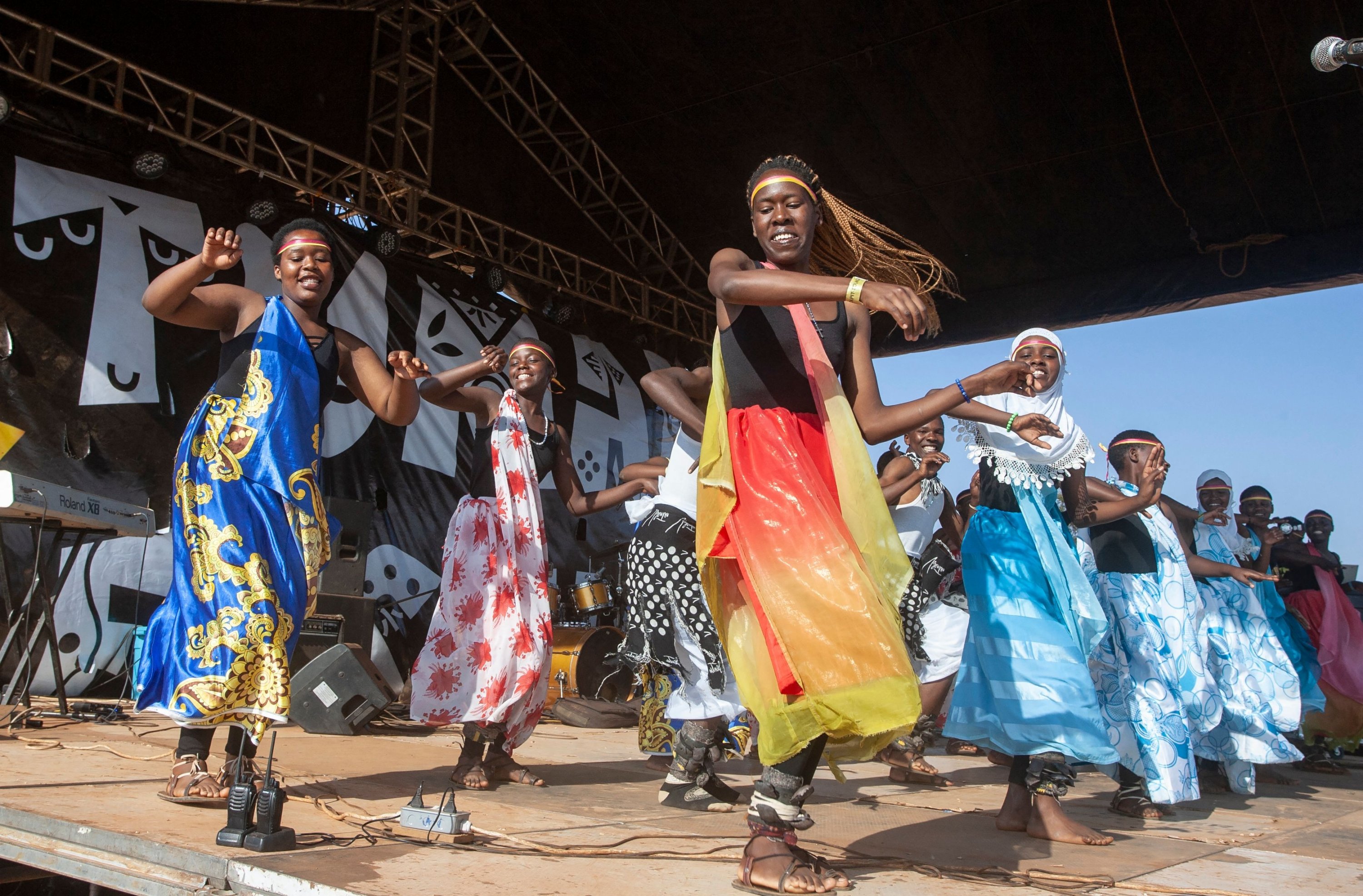
- Depending on the day, you might see people practising music, dance, poetry, or other creative activities.
16:30 – Tailoring & small shops
- Visit tailoring workshops supported by organisations such as There Is Hope.
- You can see (and sometimes purchase) handmade items including bags and clothing made with colourful fabrics.
Evening
18:00 – Homestay
- Instead of returning to Lilongwe, consider staying overnight through the Dzaleka homestay program (arranged in advance).
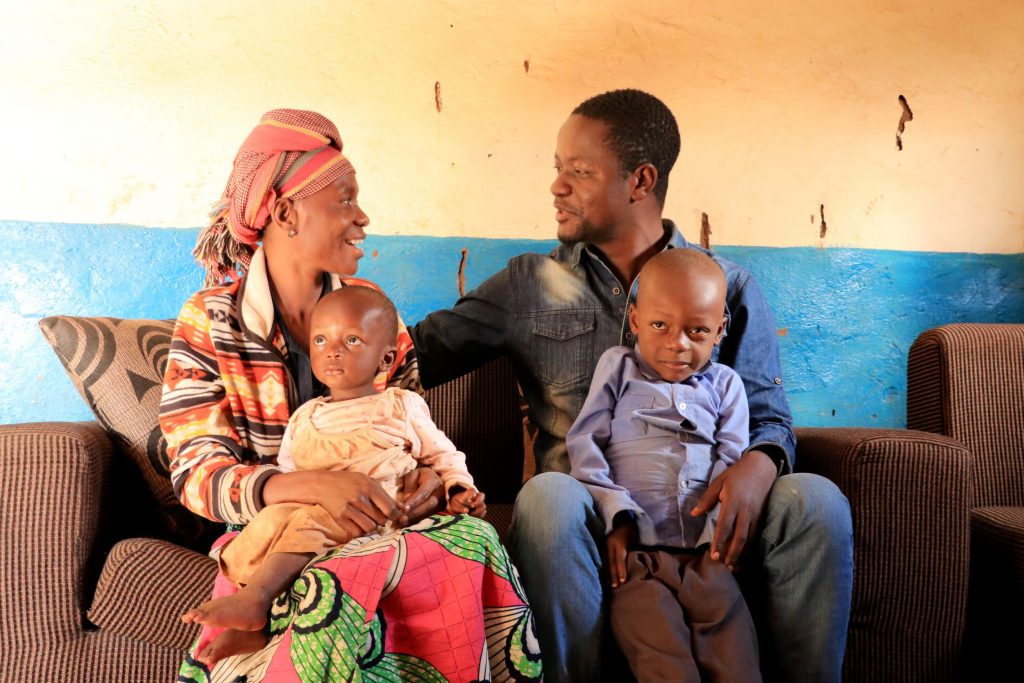
- You’ll spend the evening with a local family, share a simple home-cooked meal, and have the opportunity for unhurried conversation.
20:00 – Evening atmosphere
- After dark the pace of the camp slows down.
- Sitting outside, you can hear distant music, conversations between neighbours, and experience the quiet of a very clear night sky.
Morning After
08:00 – Breakfast & departure
- Have breakfast with your host family before heading back toward Lilongwe.
Many visitors leave with a different perspective on what it means to create a life in difficult circumstances.
Practical information
-
Booking
Use Our Portal at least 48 hours in advance to secure a tour guide. -
Money
Bring Malawian Kwacha in small denominations. Cards are not widely accepted. -
Photography
Always ask for permission before taking photos of people. -
Special timing
If your schedule allows, try to visit during the annual Tumaini Festival for a richer cultural experience.